July 30, 2026
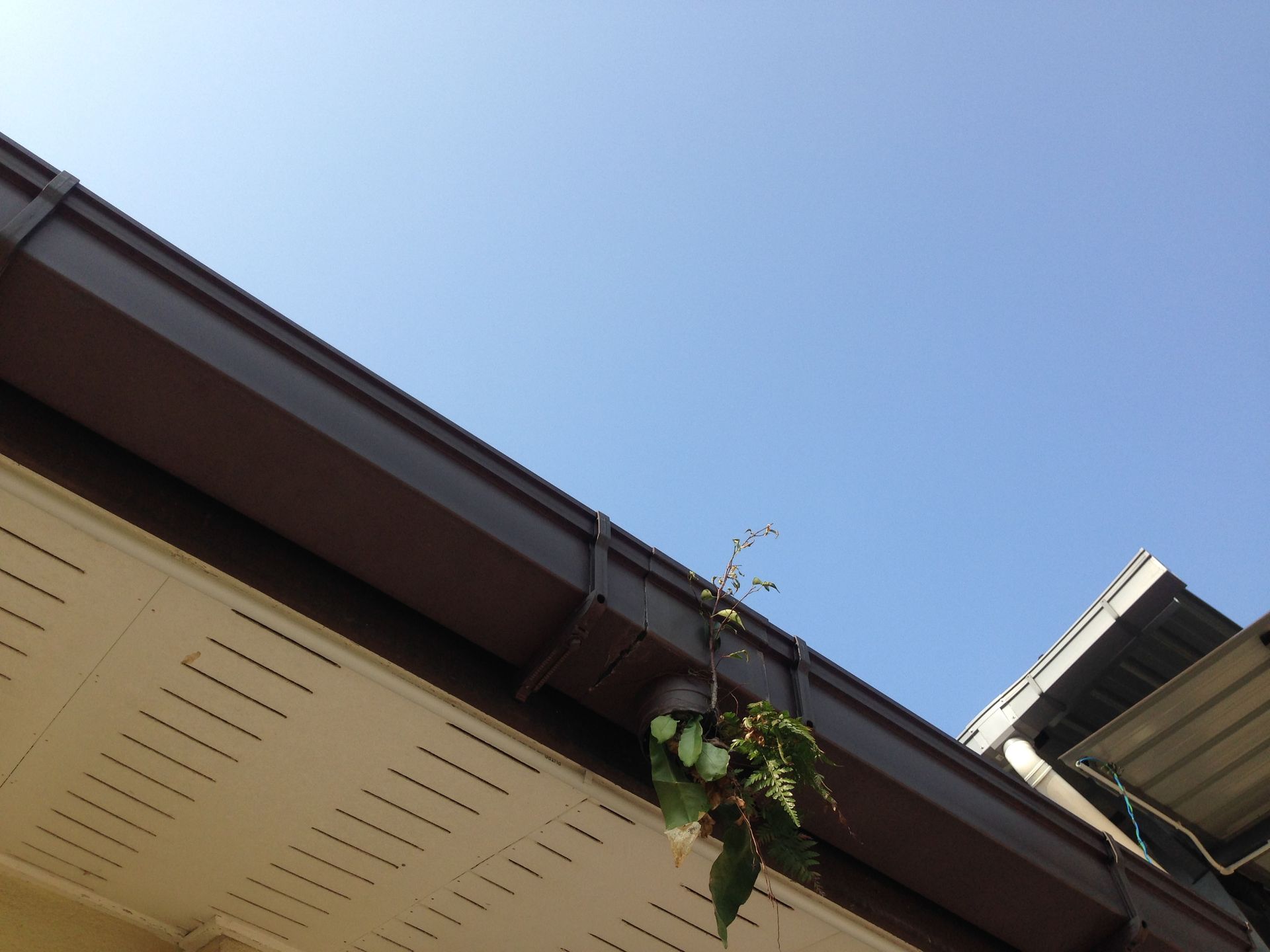
Every homeowner knows that keeping a property in top condition requires vigilance, especially when it comes to managing rainwater. Your home's exterior takes a beating from the elements, and your roof drainage system acts as the first line of defense against severe water damage. Over time, debris such as leaves, twigs, and dirt accumulate, creating clogs that prevent water from flowing freely away from your foundation. According to This Old House, a proper maintenance routine involves cleaning your gutters two or more times each year.
However, even with the most diligent clearing schedule, there comes a point when simply scooping out the muck is no longer sufficient. Troughs age, weather takes its toll, and structural integrity can wane. Recognizing the difference between a system that just needs a good wash and one that demands professional repair or replacement is crucial for protecting your real estate investment. We have seen first-hand how ignoring deeper issues can lead to catastrophic structural failure, mold growth, and flooded basements. Today, we are breaking down the top warning signs indicating it is time to call in the experts.
1. You Notice Constant Peeling Paint and Rust Spots
When rainwater fails to channel correctly through your eavestroughs, it often spills over the edges, running down the exterior walls of your house. If you start to notice peeling paint or orange, flaky rust spots on the exterior of your drainage components, this is a glaring red flag. The paint on modern exterior trim and siding is designed to withstand normal precipitation, but it cannot handle a continuous, concentrated stream of overflow. This constant exposure to moisture causes the paint to bubble, crack, and eventually peel away.
Furthermore, if the system itself is showing signs of rust, the protective coating has failed. Once metal begins to oxidize, its structural integrity is compromised. A rusty channel will soon become a leaky channel. Scrubbing away the debris inside will not reverse the chemical process of oxidation or restore the protective finish. In this scenario, your gutters have degraded past the point of simple maintenance. You will likely need sections replaced, or a professional sealing service, to ensure your home remains dry and visually appealing.
2. You Observe Sagging or Pulling Away From the Roof
Take a step back into your yard and examine the roofline of your house. Does the drainage network look perfectly straight and flush against the fascia board, or does it droop in the middle? Do you see a visible gap between the back of the trough and the wooden fascia? If you observe sagging or pulling, you have a severe mechanical problem on your hands. A system full of standing water and heavy, wet leaves weighs significantly more than dry debris.
Over time, this immense weight puts unbearable stress on the hangers, spikes, or screws keeping the channels attached to your home. Even after you remove the blockage, the stretched hardware will not magically snap back into place. Sometimes, the fascia board itself has begun to rot from trapped moisture, meaning there is no longer solid wood for the screws to grip. Simply clearing out these sagging gutters will not solve the underlying issue. A professional from our team must assess the damage, replace the ruined hardware, and potentially repair any rotten fascia boards.
3. You Experience Unexplained Pooling Water Near the Foundation
The primary purpose of a roof drainage setup is to collect precipitation and transport it safely away from your home's foundation. When you step outside after a heavy rainstorm, you should not see large puddles or miniature lakes forming directly against your exterior walls. If you experience unexplained pooling water in these critical areas, your system has fundamentally failed in its primary duty.
This can happen for several reasons beyond simple blockages. The pitch—the slight downward angle necessary for water to flow toward the downspouts—might have shifted over time due to house settling or severe weather. Alternatively, the downspouts themselves might be improperly positioned, damaged, or lacking the necessary extensions to carry runoff far enough away from the house. Standing water near the foundation is exceptionally dangerous; it can seep into your basement and compromise structural stability. Fixing this requires more than just removing leaves from your gutters; it necessitates a complete recalibration of the pitch. Technicians can re-level the channels and install proper extensions to ensure water flows harmlessly into your yard.
4. You Find Frequent Water Marks on Your Siding
A healthy water channeling system should be practically invisible in its operation, silently and efficiently carrying water away without leaving a trace on your home's exterior. If you begin to find frequent water marks, streaks of dirt, or mold growth cascading down your siding, you have a definitive problem. These unsightly blemishes indicate that dirty rainwater is overflowing or escaping from the back side, getting trapped between the channel and the fascia.
While a temporary clog can cause a one-time overflow, continuous water marks suggest a deeper, chronic issue. You might be dealing with persistent leaks at the seams, an inadequate trough size for your roof's square footage, or flashing that was improperly installed. The metal flashing is supposed to direct water smoothly off the shingles and directly into the catch basin. If this flashing is missing or bent, water will bypass the system entirely. In these cases, simply washing out your gutters is a band-aid solution to a surgical problem. A professional must inspect the joints, evaluate sizing capacity, and ensure roof flashing is perfectly integrated.
5. You Discover Countless Cracks, Fractures, or Holes
When you finally get on a ladder to perform your seasonal clearing, you should be inspecting the physical condition of the materials as closely as you are removing the leaves. If you discover countless cracks, hairline fractures, or outright holes along the length of the channels, your system is crying out for professional intervention. Small fissures might seem inconsequential during a light drizzle, but during a torrential downpour, they become pressurized jets that shoot water exactly where it shouldn't go.
These fractures frequently occur in vinyl systems that have become brittle from years of ultraviolet sun exposure and freezing winter temperatures. Metal systems can develop holes from rust or from impact damage caused by fallen tree branches. While a single, tiny hole can occasionally be patched with specialized sealant, a network of cracks indicates widespread material failure. No amount of routine maintenance can revive failing plastic or decaying metal. Upgrading to seamless gutters is often the wisest course of action when dealing with widespread cracking. Seamless models are custom-cut on-site, eliminating the joints most prone to leaking, providing a durable solution for your property.
Ignoring these five warning signs can lead to exorbitant repair bills for water damage, mold remediation, and foundation stabilization. If you have noticed any of these red flags during your most recent inspection, it is time to step away from the ladder and call in the local experts. We pride ourselves on delivering top-tier exterior home solutions tailored to your specific needs. Whether you need a simple realignment, targeted hardware replacement, or a brand-new installation, our experienced team is ready to help safeguard your home against the elements. Do not wait for the next major storm to test the limits of your failing system. Contact Valley Trades Inc today to schedule a comprehensive evaluation of your gutters and ensure your home remains safe, dry, and beautiful for years to come.