August 28, 2026
Gutters play an important role in directing rainwater away from a home's roof, siding, foundation, and landscaping. When replacing an aging gutter system, homeowners often have to choose between traditional sectional gutters and seamless gutters. Both options can provide effective water management, but they differ in how they are manufactured, installed, maintained, and priced.
For many homeowners, the decision comes down to whether the additional cost of seamless gutters provides enough long-term value to justify the investment. Understanding the differences can make it easier to select a system that fits the home's needs, budget, and appearance.
What Are the Key Differences in Gutter Installation?
The biggest distinction between seamless and sectional gutters is how the components are made and assembled. Sectional gutters come in pre-cut lengths, commonly sold at home improvement stores or supplied by contractors. Installers connect these pieces around the roofline using specialized connectors, creating seams at each joint.
Seamless gutters, on the other hand, are typically formed from a continuous roll of gutter material at the job site. A specialized machine shapes the material into the required profile and cuts each run to the appropriate length. Because each section can be made to fit the home, there are far fewer joints along the gutter system.
This difference can affect the gutter installation process. Sectional systems can be relatively straightforward to install because the pieces are already manufactured in standard lengths. Seamless systems generally require professional equipment and experience because the gutters are fabricated on-site rather than assembled from individual sections.
According to HomeGuide, most residential gutter installations take one to two days for an average-sized home. The actual timeline can vary based on the home's size, roof configuration, gutter material, accessibility, and condition of the existing system.
For homeowners replacing gutters, professional gutter installation can also provide an opportunity to inspect fascia boards and other mounting surfaces. Damaged wood or loose components may need to be addressed before new gutters are installed.
How Do Seamless and Sectional Gutters Compare in Terms of Cost?
Cost is one of the most noticeable differences between the two gutter options. Sectional gutters are generally less expensive upfront because the materials are manufactured in standard pieces and can be easier to transport and assemble. This can make them appealing to homeowners working with a limited replacement budget.
Seamless gutters typically have a higher initial price. The material itself may cost more, while specialized equipment and professional labor are needed to fabricate and install the system. However, upfront price does not tell the entire story.
Because seamless gutters have fewer joints, there are fewer areas where connections can separate, deteriorate, or develop leaks. Reduced maintenance and fewer repairs may help offset some of the initial investment over time.
The total cost of gutter installation can also vary considerably based on the material selected. Aluminum is commonly used because it is relatively lightweight and resistant to corrosion, while other options can include steel, copper, and specialty materials. The size and layout of the gutter system will also influence the final price.
Homeowners should consider both immediate expenses and potential long-term maintenance when comparing quotes. A less expensive sectional system may make sense for a property where minimizing upfront costs is the priority. For homeowners planning to remain in their house for many years, paying more for seamless gutters may offer greater long-term value.
Which Type of Gutter Requires Less Maintenance?
Every gutter system requires some maintenance. Leaves, twigs, dirt, roof debris, and other materials can accumulate inside gutters regardless of whether the system is seamless or sectional. Regular cleaning helps keep water flowing toward downspouts and reduces the risk of overflow.
However, seamless gutters have an advantage when it comes to the number of potential problem areas. Sectional systems contain numerous seams where individual pieces meet. These connections can eventually become loose or develop leaks as materials expand, contract, and experience repeated exposure to changing weather conditions.
Seamless gutters eliminate most of these joints along the straight runs. That does not make them maintenance-free, but it can reduce the number of places where leaks are likely to develop.
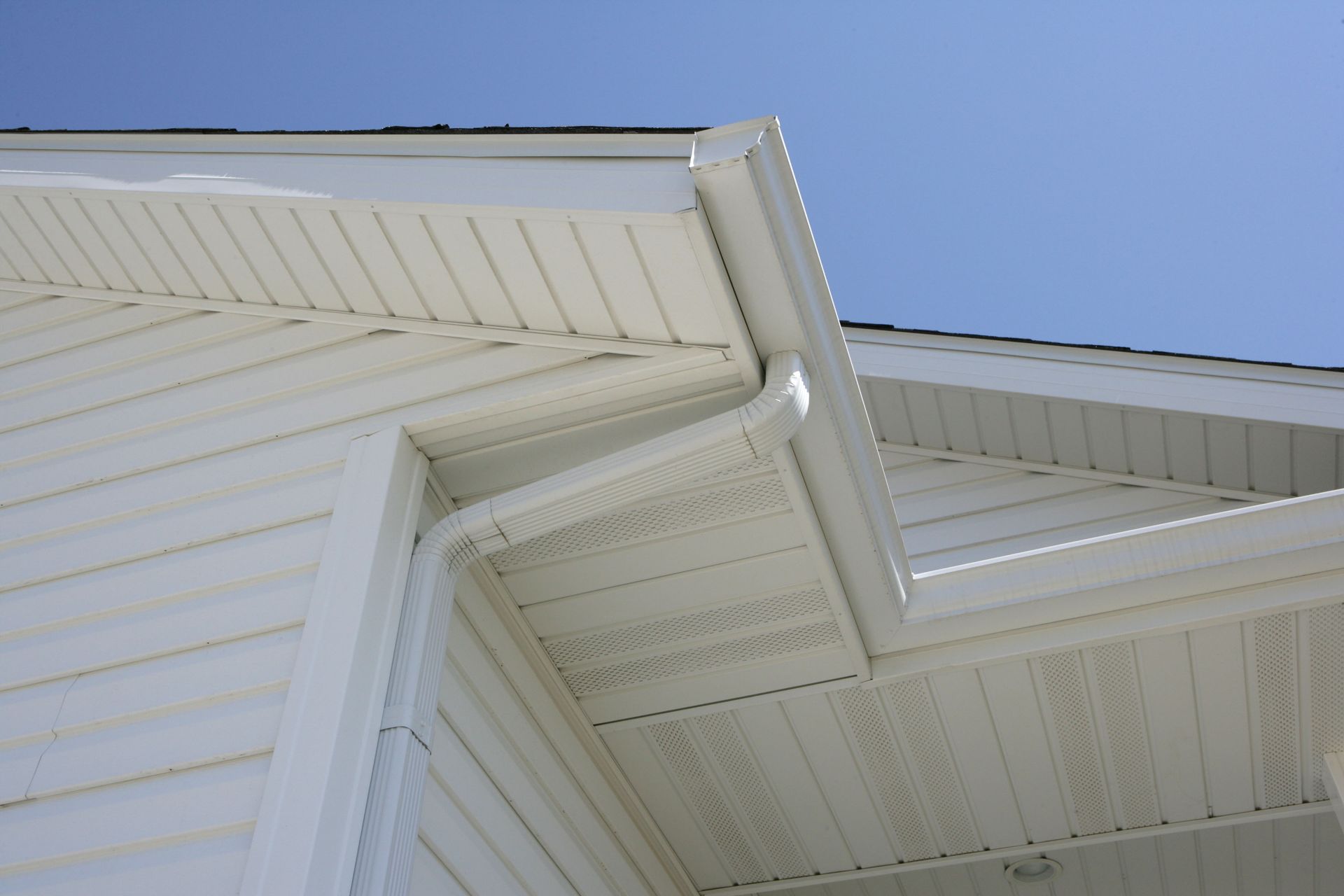
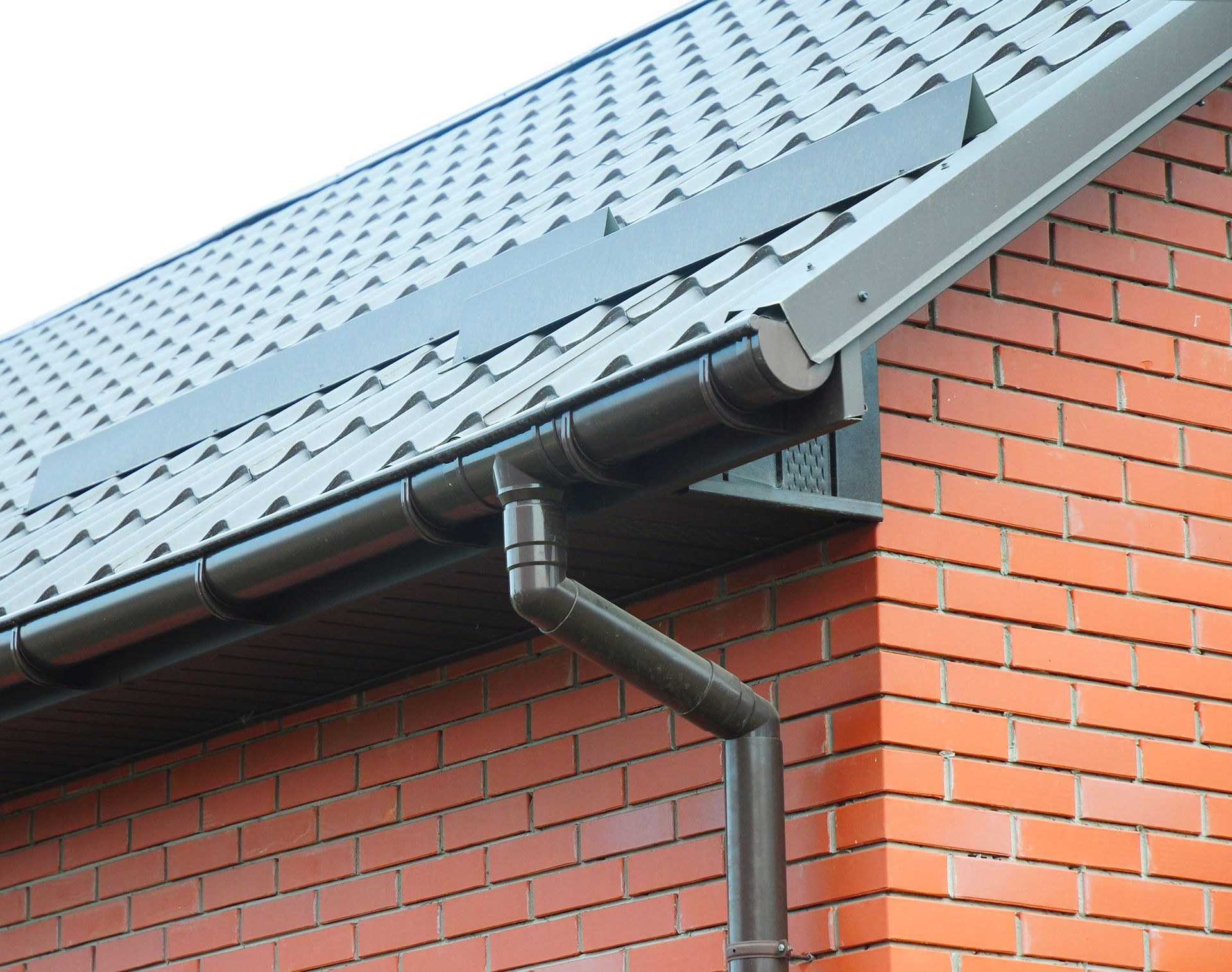
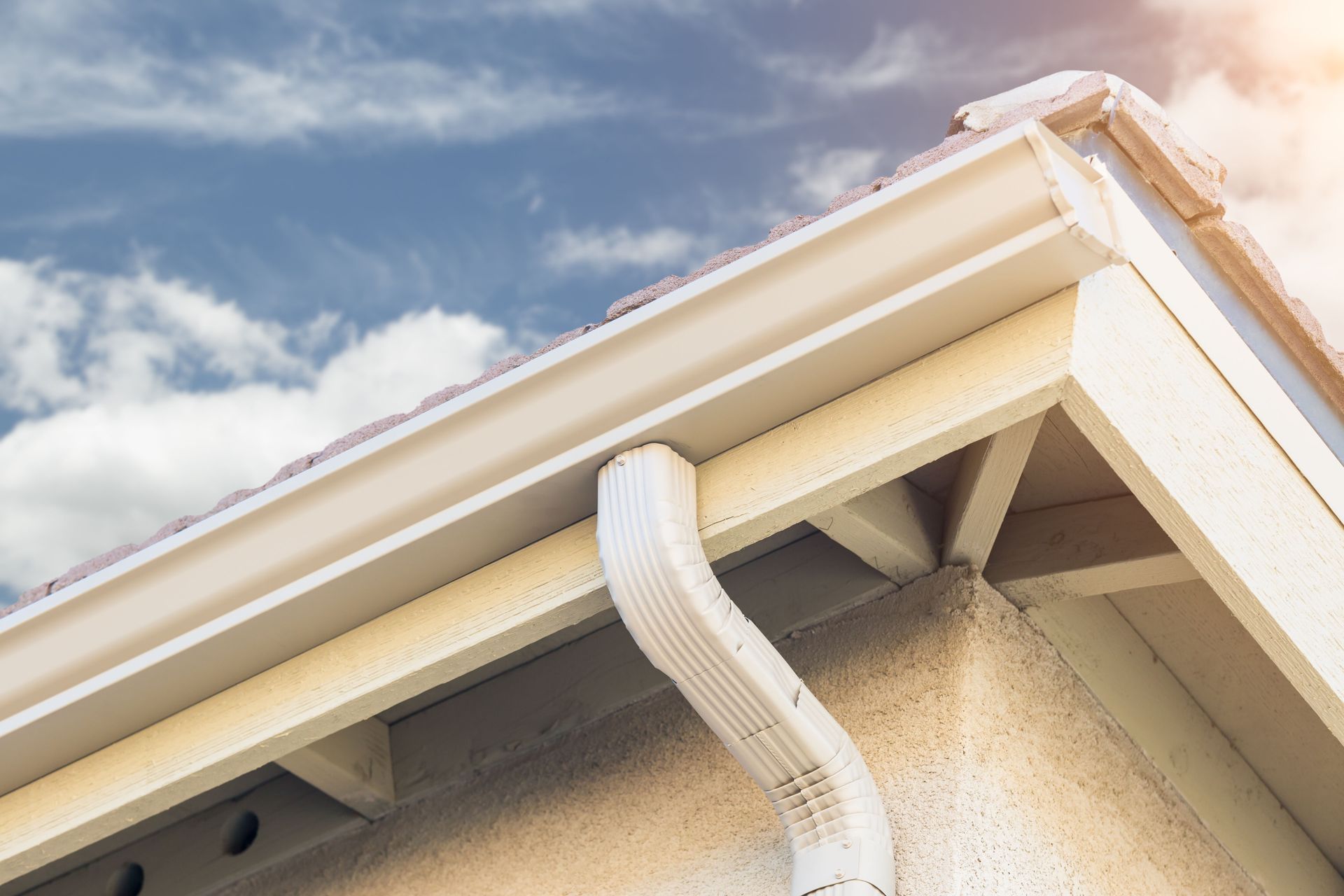
Gutter installation should also include properly positioned downspouts. Even a well-made gutter system can perform poorly if water cannot drain efficiently. Downspouts should be placed where they can move water away from the foundation, while extensions may be necessary to carry discharge farther from the house.
Homeowners should still inspect their gutters periodically, especially after major storms and during seasons when trees shed substantial amounts of leaves. Cleaning and checking for sagging, corrosion, loose fasteners, and drainage problems can help extend the service life of either gutter type.
How Do Seamless and Sectional Gutters Affect Durability and Longevity?
Durability is another important consideration when comparing gutter systems. Gutters are exposed to rain, snow, ice, wind, temperature fluctuations, and debris throughout the year. The quality of the material and installation can have a major influence on how well they hold up.
Sectional gutters can be durable when properly installed and maintained, but their numerous connections create additional points that can potentially fail. Over time, sealants may deteriorate or fasteners can loosen, potentially allowing water to escape through joints.
Seamless gutters reduce this concern by minimizing the number of seams. Fewer connections can mean fewer potential leak points, which may contribute to a longer-lasting system when the gutters are properly installed and maintained.
The condition of the home's fascia and roof edge also matters. A gutter system cannot perform properly if it is attached to deteriorated or damaged materials. During gutter installation, contractors can identify mounting problems that may need attention before the new system is secured.
Homeowners should also consider local weather conditions. Areas that receive heavy snowfall, frequent storms, or substantial rainfall may place additional demands on gutter systems. Choosing an appropriate gutter size and ensuring adequate downspout capacity can be just as important as choosing between seamless and sectional construction.
What Is the Aesthetic Impact of Seamless vs. Sectional Gutters?
Gutters are functional components, but they are also visible from the exterior of the home. Their appearance can therefore influence a property's curb appeal.
Sectional gutters may have more noticeable seams, particularly along long stretches of roofline. While these connections are not necessarily unattractive, they can create a more segmented appearance.
Seamless gutters provide a cleaner, more continuous look. With fewer visible joints, they can blend more naturally with the roofline and exterior architecture. Many seamless systems are also available in different colors and finishes, making it easier to coordinate them with siding, trim, roofing, or other exterior features.
For homeowners investing in exterior improvements, this visual difference may be an important consideration. A professional gutter installation can help achieve consistent alignment and clean lines, further improving the finished appearance.
Choosing between seamless and sectional gutters ultimately comes down to priorities. Sectional gutters can provide an affordable and practical solution, particularly for homeowners focused on keeping initial costs down. They are widely available and can be repaired or replaced in individual sections when necessary.
Seamless gutters generally cost more upfront, but their reduced number of joints can mean fewer potential leak points, less seam-related maintenance, and a cleaner appearance. For homeowners planning to stay in their property for the long term, those advantages may make the additional investment worthwhile.
The quality of the gutter installation is important regardless of which system is selected. Proper sizing, secure attachment, adequate downspouts, and appropriate drainage can all affect how effectively the gutters protect the home.
Before making a decision, homeowners should compare complete estimates rather than looking only at the material price. Considering installation, expected maintenance, durability, appearance, and long-term ownership plans can provide a more accurate picture of the overall value. For many properties, seamless gutters are worth considering as a long-term upgrade, while sectional gutters remain a reasonable choice when affordability is the primary concern. If you're considering adding gutters to your home, reach out to the dedicated team at Valley Trades Inc today!