June 30, 2026
Ever look up at your roof and wonder about that flat panel tucked underneath the overhang? That is your soffit, and it does a massive amount of heavy lifting for your home. When it starts to fail, moisture creeps in, creating a mess that ruins your home and sanity.
Spotting the Early Signs of Water Damage
Moisture is a sneaky enemy that loves to hide in places you rarely look. You might first notice peeling paint or dark water stains along the edges of your roofline. These unsightly marks mean that humid air is getting trapped inside your attic space instead of escaping as it should. A proper soffit installation creates a dependable barrier that stops this dampness from settling into your wooden framing.
When water hangs around your roofline for too long, it opens the door for mold and mildew to thrive. These fungi love dark, damp environments and can multiply quickly before you even realize there is a problem. A high-quality installation keeps the air moving so that these spores never get the chance to settle down and grow. This simple proactive step maintains a cleaner, healthier atmosphere for everyone living inside the house. Protecting your home means catching these small water spots before they turn into a major headache.
Wood rot is another major headache that happens when moisture stays trapped against your roof structure. Over time, the damp wood softens and weakens, which compromises the structural integrity of your entire roof. Getting a professional upgrade helps redirect that moisture away from vulnerable wooden beams. Taking care of your roofline now keeps the skeleton of your house strong and dry for decades.
Understanding How Proper Airflow Keeps Houses Dry
A healthy home needs to breathe just like we do to stay in top shape. Good ventilation relies on a simple balance where cool air enters at the bottom, and warm air leaves through the top. A clean soffit installation provides the essential intake vents that allow fresh air to flow freely into the lower part of your attic. Without this steady intake, your attic turns into a stagnant greenhouse that bakes your shingles from the inside out.
During the hot summer months, your attic can reach scorching temperatures that trap humidity against your ceiling. This heat buildup forces your air conditioner to work twice as hard to keep your living spaces comfortable. A fresh installation allows that hot, humid air to cycle out naturally instead of baking your living space. This relief on your cooling system can lead to noticeable savings on your monthly energy bills. Keeping the air moving lowers your cooling burdens and prevents moisture from condensing on your insulation.
In the winter, that trapped warmth causes a different kind of trouble by melting snow on your roof too quickly. According to IBISWorld, the total U.S. revenue for gutter services surpasses $778 billion. When that melted snow runs down and freezes at the cold edge of your roof, it creates heavy ice dams that back up under your shingles. Proper ventilation keeps the roof temperature uniform, so these ice dams never get the opportunity to form.
Upgrading Your Ventilation to Block Trapped Humidity
Old, clogged vents are basically useless when it comes to fighting off household humidity. Daily activities like showering, cooking, and washing clothes send gallons of moisture up into your attic space every single day. A modern soffit installation uses advanced venting patterns that maximize airflow while keeping the elements outside where they belong. Upgrading these vents allows your home to purge that daily moisture before it can condense into water droplets.
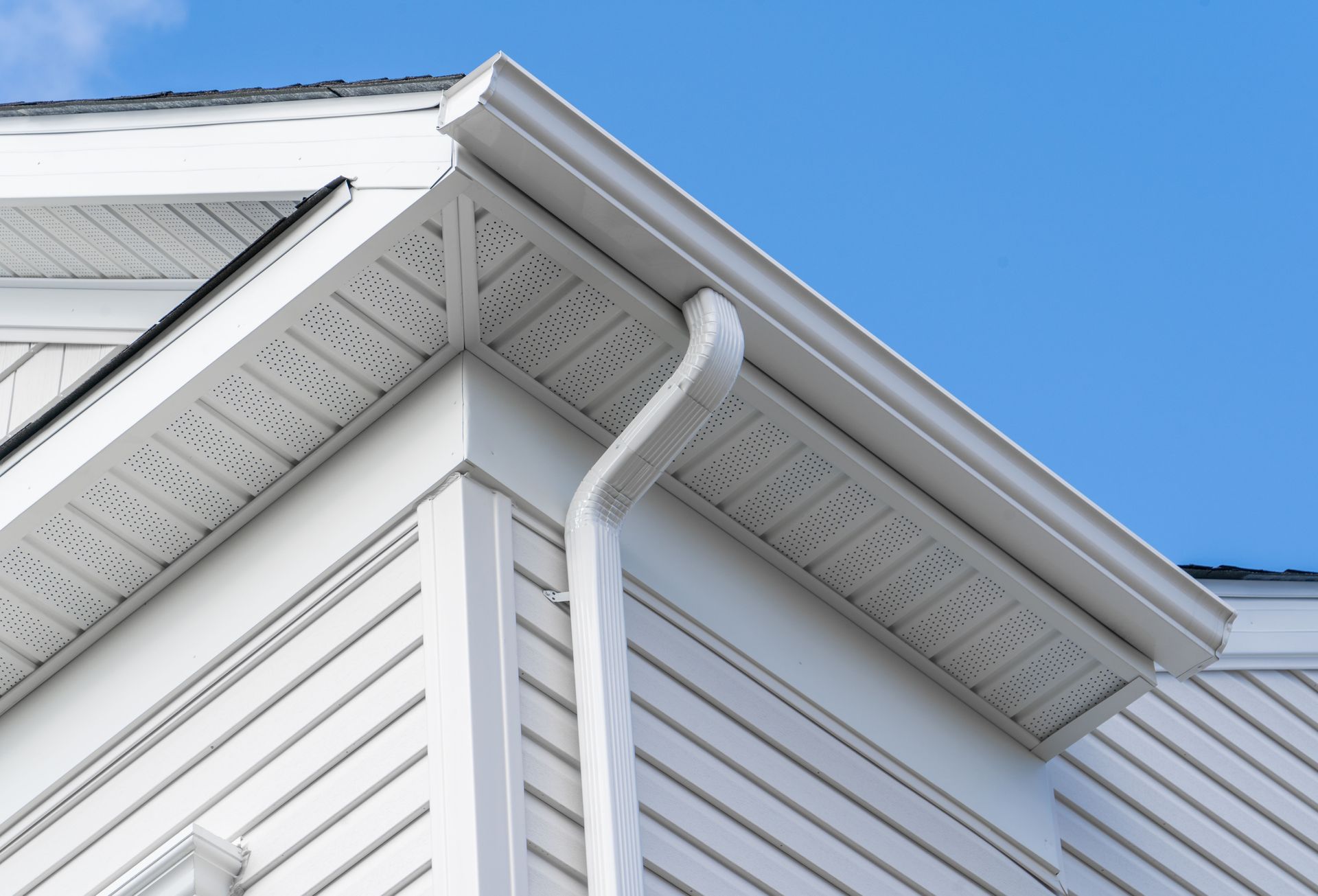
Many older homes have solid panels that offer zero ventilation for the roof structure. This outdated design completely blocks the intake path and forces your roof to trap every bit of damp air that wanders in. Selecting a contemporary soffit installation replaces those dead zones with highly efficient, perforated materials. This change allows a steady breeze to flush out the stuffy pockets of air that collect in the tightest corners of your eaves. This simple change transforms a stagnant attic into a dynamic, self-cooling system that stays dry year-round.
Properly balanced ventilation also preserves the performance of the insulation blankets sitting on your attic floor. When insulation gets damp from trapped humidity, it loses its ability to hold heat and starts to sag. Keeping the air circulating keeps your insulation bone-dry so it can do its job efficiently. A dry attic means a more comfortable home and a much happier wallet when utility bills arrive.
Preventing Expensive Structural Issues Down the Road
Ignoring a moisture problem under your roofline always leads to massive restoration bills later. Small leaks and damp spots can quietly rot away the fascia boards that hold your heavy gutter systems in place. Investing in professional installation seals up those vulnerable gaps and provides a solid foundation for your entire exterior. Protecting these attachment points keeps your whole roofline aligned and working perfectly.
When moisture destroys the wood around your eaves, it also creates easy entry points for uninvited pests. Squirrels, raccoons, and insects love soft, rotted wood because it is incredibly easy to chew through to build nests. A crisp, secure soffit installation uses tough materials that block these critters from making themselves at home in your attic. These updated panels act like a shield, turning away animals before they can chew through your home's main defense lines. Keeping the structure dry makes your home completely unappealing to local wildlife looking for shelter.
A sagging roofline is the ultimate nightmare scenario for any proud property owner. This happens after years of undetected moisture slowly dissolving the strength of your rafter tails. Keeping this zone ventilated prevents slow decay and extends the lifespan of your original materials. Spending a little time focusing on your ventilation now saves your home from catastrophic structural sagging down the line.
Choosing Premium Materials for Longevity and Style
Modern exterior materials have come a long way from the high-maintenance wood panels of the past. New options offer incredible durability against heavy rains, high winds, and intense afternoon sunlight. A professional soffit installation uses top-tier materials that will not warp, crack, or fade after a few seasons of rough weather. This means you get a beautiful finish that stays pristine without requiring constant attention.
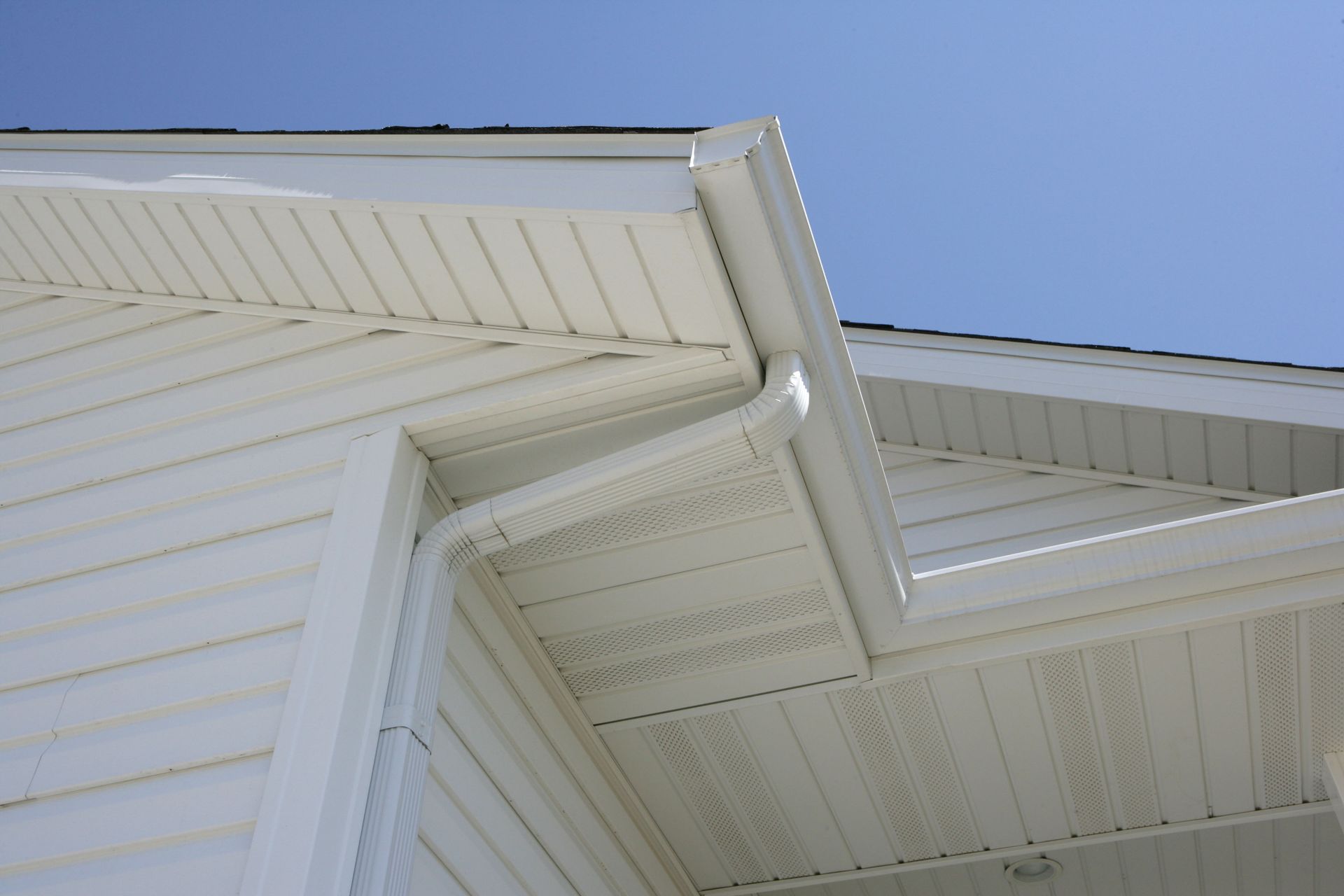
Aluminum and vinyl options are fantastic choices because they completely resist moisture damage and insect infestations. These materials feature built-in vent holes that look sleek from the street while delivering maximum airflow underneath. Your new look can match your existing siding and trim perfectly to boost your overall curb appeal. The variety of colors available today lets you customize the look to match the unique personality of your neighborhood. It's the perfect blend of high-performance engineering and beautiful exterior design.
Investing in these advanced materials also gives your home a polished, completed look that stands out in the neighborhood. Ragged, peeling eaves drag down your property value and make the whole house look tired. Updating this crucial zone gives your exterior a clean line that ties your roofing and siding together beautifully. You get a dry, healthy home that looks fantastic from every single angle.
Taking care of your roofline ventilation is one of the smartest moves you can make for your home. It stops moisture in its tracks, protects your structural wood, and keeps your attic breathing easy. Your home deserves the highest level of protection to stay beautiful and dry through every season of the year. Contact Valley Trades Inc for high-quality soffit installation that lasts!