June 29, 2026
Your home's siding is one of the hardest-working and most visible components of the entire exterior, protecting the structure from moisture, temperature extremes, and the physical wear that Utah's variable climate delivers year after year. Like any system that works this hard, siding requires consistent attention and the right maintenance practices to perform at its best and last as long as the material is designed to last under real-world conditions. Many homeowners wait until visible damage appears before addressing their siding, which is exactly the pattern that experienced exterior professionals see lead to more extensive and more expensive repairs than proactive care would ever require. Understanding what seasoned professionals recommend for maintaining different siding types gives Cache Valley homeowners a practical and accessible framework for protecting one of their home's most important exterior investments.
Cleaning Vinyl Siding to Preserve Its Appearance and Integrity
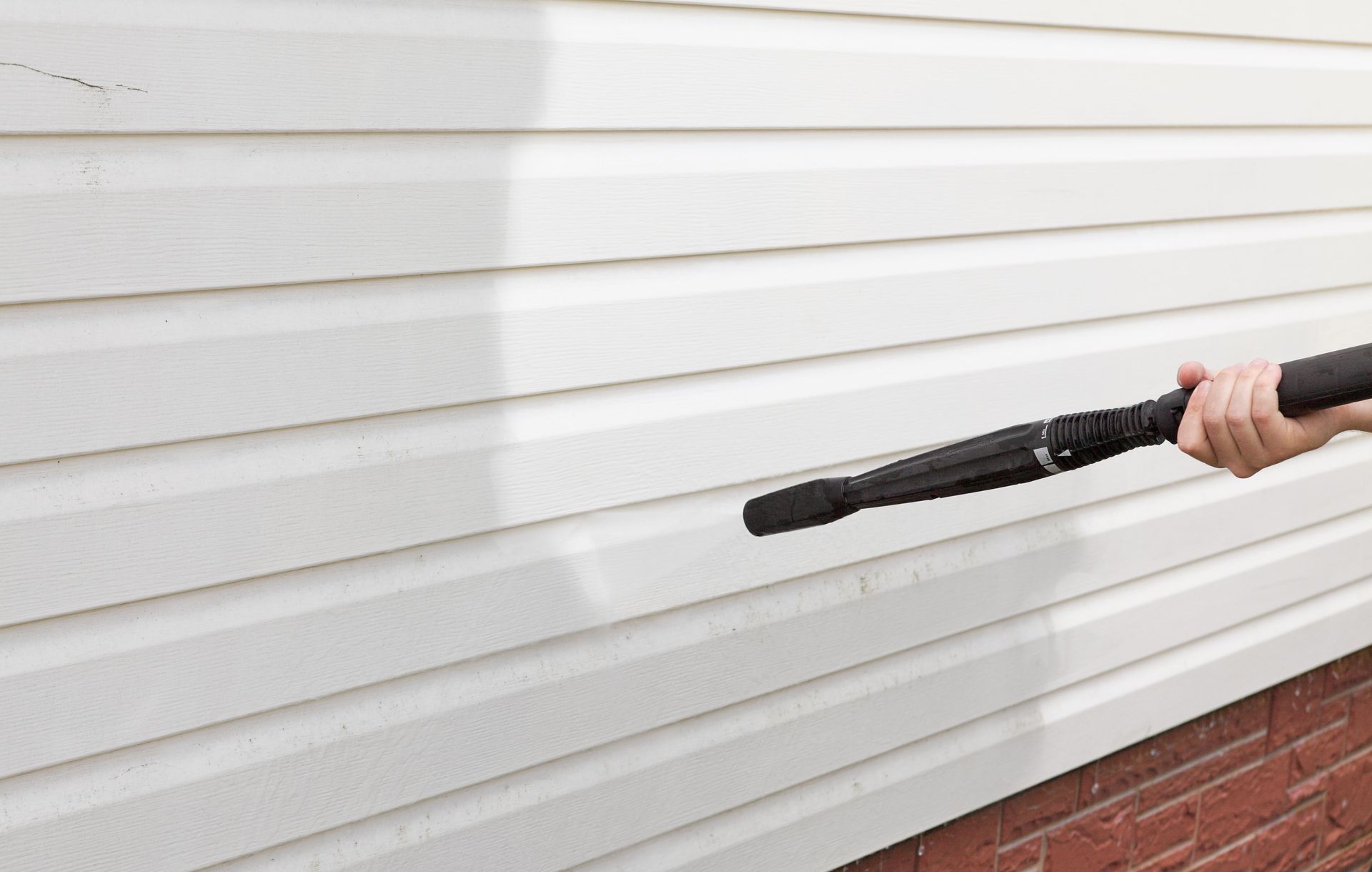
According to This Old House, vinyl siding is low-maintenance but benefits from annual or twice-annual cleaning with a soft brush and mild soap solution, which reflects how straightforward the maintenance requirements of this popular material are when they are consistently followed throughout the life of the installation.
Siding contractors who install vinyl regularly advise their clients to clean from the bottom of the panel to the top to prevent streaking and to rinse thoroughly with water from a garden hose directed downward rather than upward into the panel seams, where water infiltration can occur and cause moisture issues behind the surface. Mildew and mold growth that appears on vinyl can typically be addressed with a diluted cleaning solution applied gently with a soft brush, but pressure washing at close range or with high pressure should always be avoided because it can force water behind the panels and compromise the installation's weather resistance.
Maintaining Wood Siding Through Painting and Sealing
Wood siding is one of the most naturally beautiful exterior materials available, but it demands more consistent maintenance than any other siding type because unprotected wood absorbs moisture, swells and contracts with seasonal temperature changes, and is vulnerable to insect damage, rot, and paint failure that can compromise both the appearance and the structural integrity of the panels over time. Siding contractors who specialize in wood siding installation and repair consistently recommend that homeowners inspect their wood siding at least once per year for areas where the paint or stain finish has cracked, peeled, or worn through to the bare wood surface, because those exposed areas become entry points for moisture that accelerates deterioration from the inside out. Addressing paint failure promptly with proper surface preparation, primer, and a quality exterior finish coat extends the service life of wood siding substantially and protects the investment that quality wood cladding represents for the homeowner who chose it for its character and warmth.
Caring for Cedar Siding to Protect Its Natural Character
Cedar siding carries a unique combination of natural beauty and natural durability that makes it a sought-after choice for homeowners who want the warmth and texture of real wood with better inherent resistance to moisture and decay than many other wood species would provide in the same exposure environment. Siding contractors who work with cedar recommend treating the material with a penetrating oil-based sealer or stain rather than a film-forming paint, because a penetrating finish allows the cedar to breathe while still protecting it from the UV exposure and moisture absorption that would otherwise cause the surface to gray, crack, and check over multiple seasons of Cache Valley weather. Inspecting the caulking around windows, doors, and trim penetrations annually and recaulking wherever the sealant has pulled away or cracked is one of the most important cedar maintenance steps a homeowner can perform because those small gaps allow water to work behind the siding and into the sheathing, where it causes damage that no amount of surface maintenance can prevent once it has reached the structure behind the cladding.
Protecting Fiber Cement and Hardie Siding From Moisture Entry Points
Fiber cement siding, including James Hardie products, offers exceptional resistance to rot, insects, and fire, but it is not impervious to moisture damage when the factory primer and paint finish that protect the material from water absorption are compromised by impact, improper installation, or deferred maintenance on the caulking and paint system that seals the joints and edges of the panels at every penetration and transition. Siding contractors who install Hardie fiber cement siding advise homeowners to inspect the paint finish on the bottom edges of panels every year because these horizontal surfaces are the most exposed to moisture and the most likely to show early signs of paint failure that should be addressed before water reaches the fiber cement substrate beneath the protective coating. Any area where the paint has chipped away from a panel edge should be cleaned, primed, and touched up promptly with a manufacturer-recommended exterior paint that matches the existing finish closely enough to prevent visual inconsistency across the maintained and unmaintained sections of the wall surface.
Inspecting Composite and LP SmartSide for Swelling and Joint Separation
LP SmartSide and other composite siding products are engineered for exceptional durability and moisture resistance, but siding contractors who work with these materials regularly recommend annual inspections of all panel joints, end cuts, and areas where two panels meet at a butt joint to confirm that no swelling, separation, or moisture infiltration has occurred at those connections since the last time the siding was evaluated. Exposed end cuts on composite siding that were not properly sealed during installation or that have lost their factory sealant over time allow the engineered wood substrate beneath the surface treatment to absorb moisture that causes swelling, delamination, and eventual structural failure at the affected section of the panel. LP SmartSide Diamond Kote pre-finished products carry excellent factory finish protection, but even these premium products benefit from annual inspection at all trimmed edges and penetration points to confirm that the integrity of the finish and the substrate beneath it remains intact throughout the full service life of the installation.
Addressing Water Damage Repair Before It Spreads
One of the most consistent recommendations that siding contractors share with their clients is that any sign of water intrusion, discoloration, soft spots, or bubbling behind the siding surface should be investigated and addressed immediately rather than monitored over time to see whether the condition stabilizes or resolves on its own without professional intervention. Water damage behind siding progresses at a rate that accelerates with each subsequent moisture event, and what began as a small area of compromised sheathing can expand to affect a significant section of wall framing before the surface damage visible from the exterior reveals the full extent of what has been occurring behind the cladding throughout the time the problem was left unaddressed. Water damage repair that removes the affected siding and sheathing, treats or replaces the damaged framing, installs proper moisture barriers, and replaces the exterior cladding with correctly installed new siding produces a durable and lasting repair that stops the progression entirely, rather than covering the damage with new materials that will fail again if the underlying moisture pathway is not eliminated as part of the repair scope.
Consistent, material-appropriate siding maintenance is the most reliable way to protect the investment that exterior cladding represents and to ensure the home's curb appeal, energy efficiency, and structural integrity remain strong throughout the full service life of the installed system. Valley Trades Inc has proudly served homeowners and businesses throughout Cache Valley, UT and surrounding communities since 1995, offering siding contractors services for vinyl, wood, cedar, composite, Hardie fiber cement, LP SmartSide, LP SmartSide Diamond Kote, aluminum, metal, steel, and stone veneer siding installation and repair, siding replacement and removal, commercial siding installation, water damage repair, caulking and sealing, custom aluminum trim installation, soffit and fascia installation and repair, roofing services, gutter installation and repair, window capping, and window replacement, all backed by 35 years of family-owned experience, the owner on every job site, a two-year labor warranty, lifetime warranties available, free estimates, competitive and accurate pricing, and senior and first responder discounts. For more information, contact us today!