May 27, 2026
Replacing your gutters is one of the most impactful exterior improvements you can make to protect your home from water damage throughout every season. Many homeowners delay this project until the damage is already visible, not realizing that a failing system can silently undermine the foundation, siding, and landscaping around the property over time. Knowing what to look for before you commit to a new installation helps you make smarter decisions about materials, sizing, and the contractor you choose to do the work. The following considerations will guide you toward a gutter replacement that performs well for years and genuinely protects your investment from the elements.
Recognizing When Replacement Is the Right Call
According to the Freedonia Group, market value for gutter system products is projected to rise nearly 3% per year to roughly 8 billion dollars in 2027, reflecting the growing number of homeowners investing in quality drainage systems for their properties. Gutters that are pulling away from the fascia, sagging visibly, or showing rust and holes along the channel have typically reached the end of their useful service life and cannot be adequately corrected through repair alone. Multiple leaking seams, persistent overflow during moderate rain, and water staining on the siding directly below the roofline are all signs that repair is no longer the most cost-effective path forward. A professional inspection confirms whether the system can be salvaged or whether a full replacement is the most financially sound decision for protecting your home over the long term.
Evaluating the Condition of the Fascia Before Installation
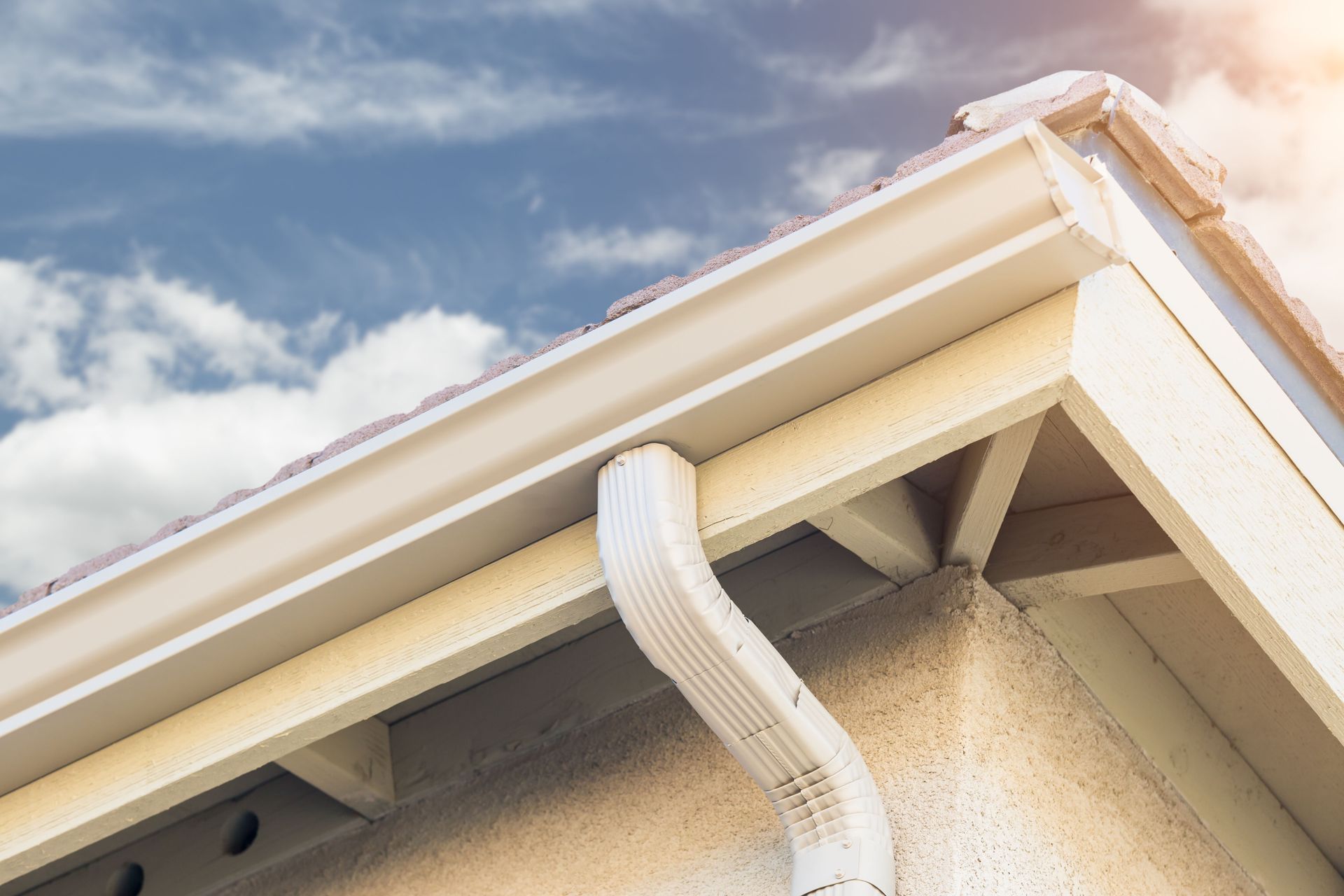
Gutters attach directly to the fascia board that runs along the roofline, and if that board has rotted, warped, or pulled away from the structure, a new system installed over damaged fascia will fail prematurely, regardless of the quality of the materials used. Before any new installation begins, a qualified contractor should assess the condition of the fascia and soffit and address any deterioration that would compromise the integrity of the new system from the day it goes up. Gutters that are properly supported by sound fascia stay in correct alignment, maintain the pitch required for proper drainage, and remain securely attached through the wind, snow, and ice events that test exterior systems every winter in Cache Valley. Replacing damaged fascia alongside the new drainage system is one of the most important investments a homeowner can make during a gutter replacement project.
Choosing the Right Material for the Climate
Material selection has a direct impact on how well the system holds up under the specific weather conditions the property experiences year after year, and not every material performs equally well in every climate zone. Aluminum is the most widely chosen material for residential installations because it resists rust, holds its shape through temperature fluctuations, and is available in a wide range of colors that can be matched to the home's exterior without requiring paint. A Gutter made from aluminum is also lightweight enough to reduce the stress placed on the fascia over time, which contributes to a more secure and longer-lasting installation compared to heavier material alternatives that place more load on the mounting hardware. A contractor with experience in the local climate can advise on which material is best suited to the freeze-thaw cycles, high snowfall, and spring runoff that define the season-to-season demands of Cache Valley properties.
Checking That Downspouts Are Properly Positioned
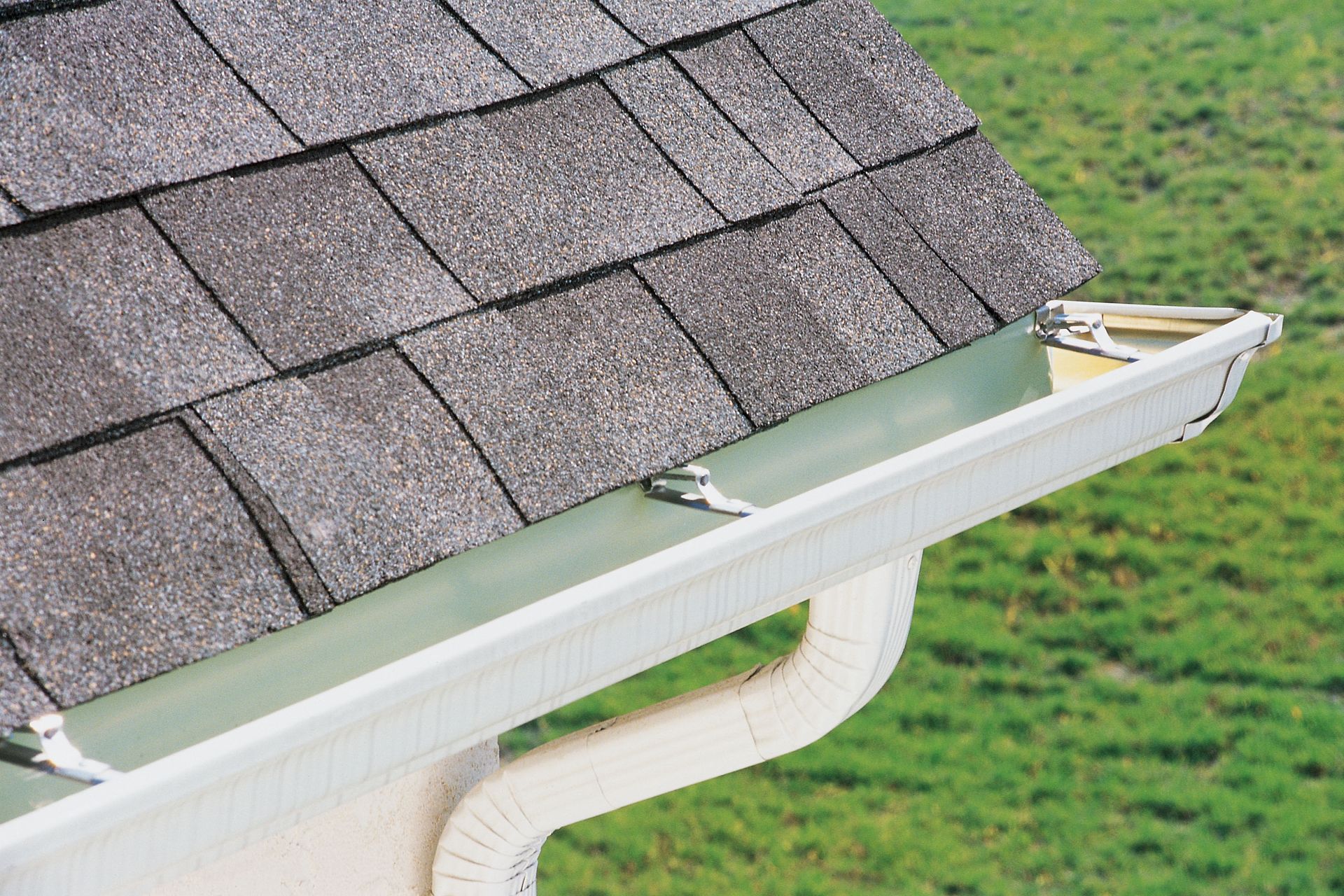
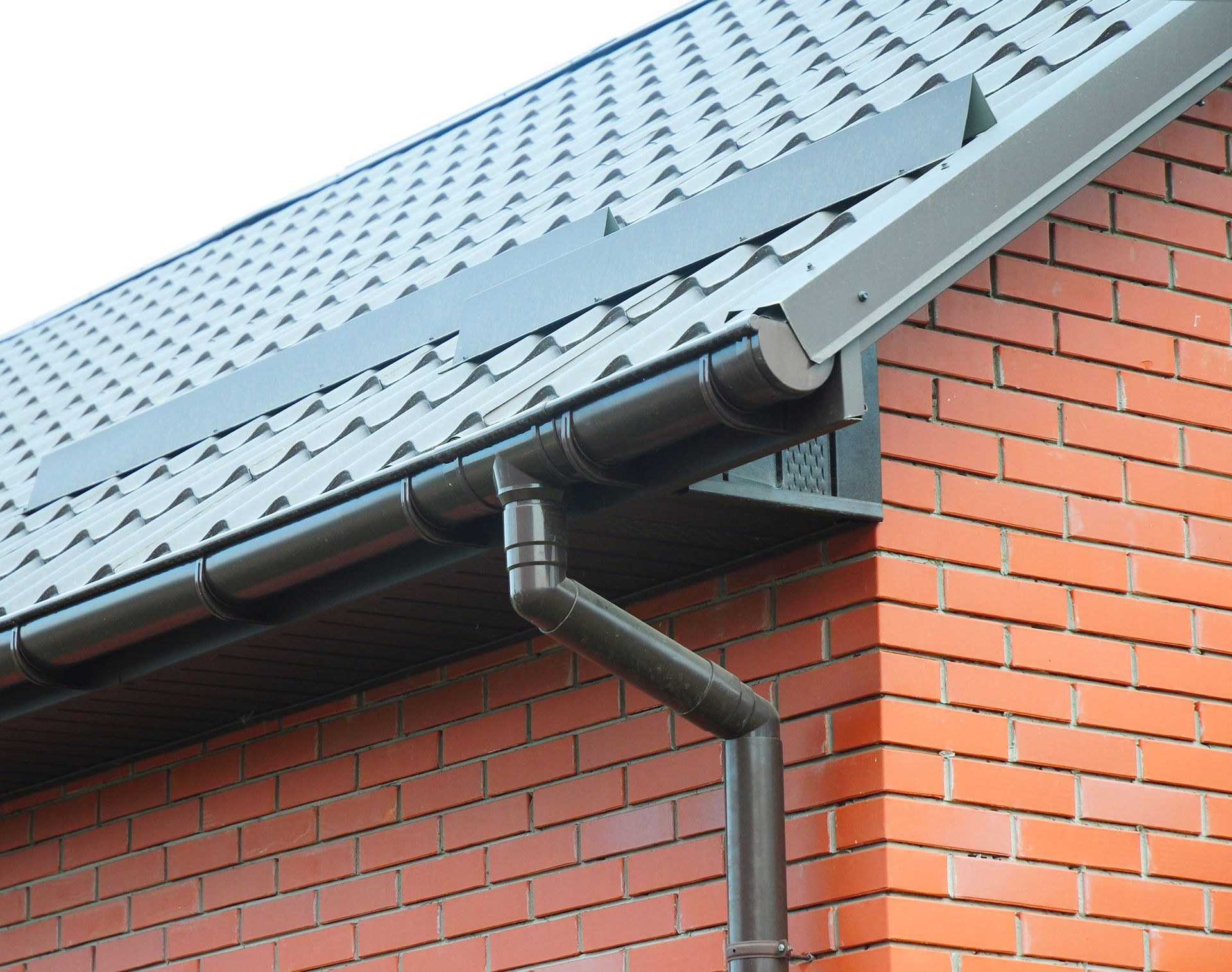
A drainage system is only as effective as the downspouts that carry collected water from the channel to a discharge point at the ground level, and downspout placement is one of the most commonly overlooked details in a gutter replacement project. Gutters that are correctly pitched toward well-positioned downspouts drain completely after each rain event and do not allow standing water to accumulate in the channel, where it accelerates rust, promotes ice formation in winter, and attracts pests looking for a water source near the home. Downspouts should discharge water at least several feet away from the foundation, and extensions or underground drainage connections may be necessary on properties where grading does not naturally carry water away from the structure quickly enough. A qualified installer evaluates downspout placement as part of the overall drainage design rather than simply positioning them based on convenience or the location of the previous system.
Verifying That the Contractor Is Licensed, Insured, and Experienced
The quality of a gutter replacement depends as much on the skill and professionalism of the installer as it does on the materials selected, and choosing a fully licensed and insured contractor protects the homeowner from liability and ensures the work meets the professional standards the project deserves. Gutters installed by an experienced team are properly pitched, securely fastened with the correct spacing between hangers, and sealed at all end caps and downspout connections in ways that prevent the leaks and sagging that inferior installation consistently produces within the first few seasons of use. A contractor whose owner personally oversees every job site brings an additional layer of quality accountability that reduces the likelihood of installation errors going uncorrected before the project is considered complete. Thirty-five years of hands-on experience in exterior home improvement means that an installer has seen and solved every challenge a replacement project can present, from unusual rooflines to difficult access points and complex drainage requirements.
Asking About Warranty Coverage for Labor and Materials
A replacement project represents a meaningful financial investment, and the warranty coverage that accompanies the work determines what protection the homeowner carries if installation issues or material failures develop after the job is finished and the crew has left the property. Gutters installed by a contractor who backs all labor with a two-year warranty assure homeowners that any workmanship-related problems identified during that period will be corrected without additional cost to the property owner after the project is already paid for and complete. Lifetime warranties available on certain materials extend that protection through the full service life of the installation and provide long-term peace of mind for homeowners who want to know the system will be supported throughout their ownership of the property. Understanding the warranty terms for both labor and materials before signing any agreement ensures that the homeowner is fully informed about what coverage they carry and what recourse is available if the finished system does not perform as promised.
Replacing your drainage system is a decision that pays dividends for years when the right materials, sizing, installation method, and contractor are selected from the very beginning of the project. From evaluating the fascia and choosing the correct profile to selecting a seamless system, verifying downspout placement, and confirming warranty coverage, every factor contributes to a finished installation that protects the home more effectively and lasts longer than a hastily planned replacement ever could. Valley Trades Inc has proudly served homeowners throughout Cache Valley, UT and surrounding communities since 1995, offering gutter installation, gutter repair, window capping, window replacement, siding installation and repair across multiple materials, soffit and fascia installation and repair, roofing services, and specialized siding solutions, all backed by 35 years of experience, the owner on every job site, free estimates, a two-year labor warranty, lifetime warranties available, competitive and accurate pricing, and senior and first responder discounts. For more information, contact us today!